Power Play Pursuit: India’s Ultimate Multiplayer Competitive Game – Complete Encyclopedia
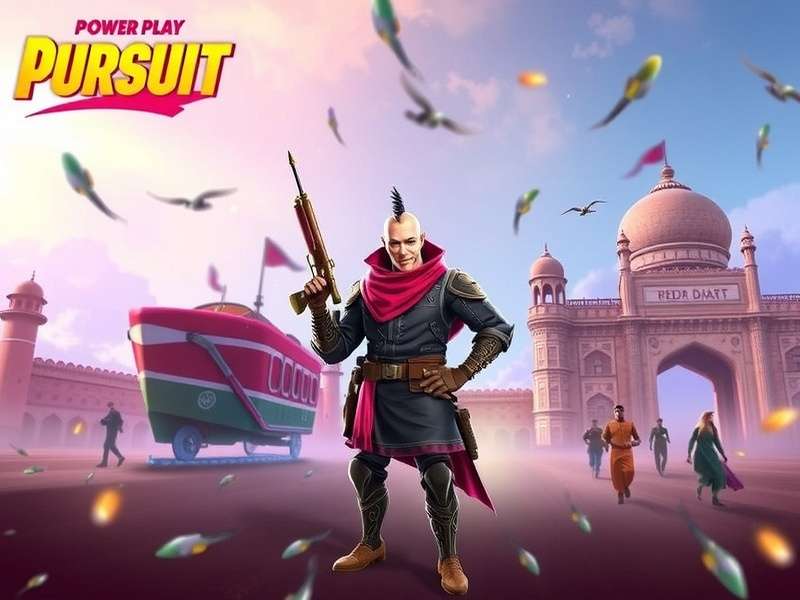
Ready To Dominate The Arena With Desi Competitive Spirit? 🚀 Join 150M+ Players In Power Play Pursuit!
Download Power Play Pursuit Now Login To Your AccountIntroduction To Power Play Pursuit
What Is Power Play Pursuit?
Power Play Pursuit isn’t just a multiplayer game – it’s a cultural phenomenon that has redefined competitive gaming in India. Developed by Daman Games, the leading publisher of hyper-localized mobile experiences for Indian gamers, Power Play Pursuit launched in mid-2024 and quickly became a household name.
Unlike generic global competitive games that feel disconnected from Indian audiences, Power Play Pursuit weaves India’s vibrant culture, regional diversity, and competitive spirit into every aspect of gameplay. Imagine teaming up with players from Chennai to Chandigarh, competing in arenas inspired by Indian landmarks, and celebrating festivals with exclusive in-game events.
This game is built for the Indian gamer – whether you’re a college student playing between lectures, a professional competing in late-night tournaments, or a casual player looking for quick, thrilling matches. Power Play Pursuit offers a level playing field, with no pay-to-win mechanics, ensuring that skill and strategy always triumph over money.
At its core, Power Play Pursuit is about unity in competition. It’s about forming teams with friends from different states, communicating in your mother tongue, and representing your region on national leaderboards. It’s a game that understands what Indian gamers crave – intense competition, cultural relevance, and a sense of community.
With over 150 million downloads and 55 million+ monthly active players (MAU), Power Play Pursuit has become the fastest-growing competitive game in India. It’s not just a game anymore – it’s a platform where Indians connect, compete, and celebrate their love for gaming.
Why Power Play Pursuit Became A Hit In India
India’s mobile gaming market is booming, with over 800 million gamers, but Power Play Pursuit has managed to stand out from the crowd. Let’s break down the key factors that have made it a nationwide sensation:
First and foremost, hyper-localization that resonates. While most global competitive games offer generic content, Power Play Pursuit is designed specifically for India. From regional languages to state-specific arenas, from festival events to desi-themed characters, every element feels familiar and relatable.
Accessibility is another crucial factor. India’s gaming market is dominated by low-to-mid-range smartphones, and Power Play Pursuit is optimized to run smoothly on devices with 2GB RAM or higher. With a download size of just 750MB and data-efficient gameplay, it’s accessible to players even in rural areas with limited internet connectivity.
The game’s no pay-to-win policy has earned it immense trust. All core gameplay features – from game modes to competitive tournaments – are free to access. In-app purchases are limited to cosmetic items like skins and emotes, so players don’t have to spend money to compete at the highest level. This fairness has turned casual players into loyal fans.
Power Play Pursuit also leverages India’s love for festivals and regional pride. The game hosts exclusive events tied to Diwali, Holi, Pongal, Eid, Ganesh Chaturthi, and other major festivals, offering rare rewards that players can only get during these periods. It also features regional leaderboards, allowing players to compete against others from their city or state.
Finally, the game’s community-driven approach has played a pivotal role. The developers at Daman Games actively listen to player feedback, regularly updating the game with new content based on community requests. From adding new languages to introducing region-specific game modes, the team has made players feel like they’re part of the game’s journey.
Key Highlights Of Power Play Pursuit
- 150M+ downloads across India – the fastest-growing competitive game in 2024
- Support for 22+ Indian languages (Hindi, Tamil, Telugu, Bengali, Kannada, Malayalam, Punjabi, Gujarati, and more)
- 12 unique game modes, including Team Deathmatch, Capture The Flag, Regional Rally, and Festival Showdown
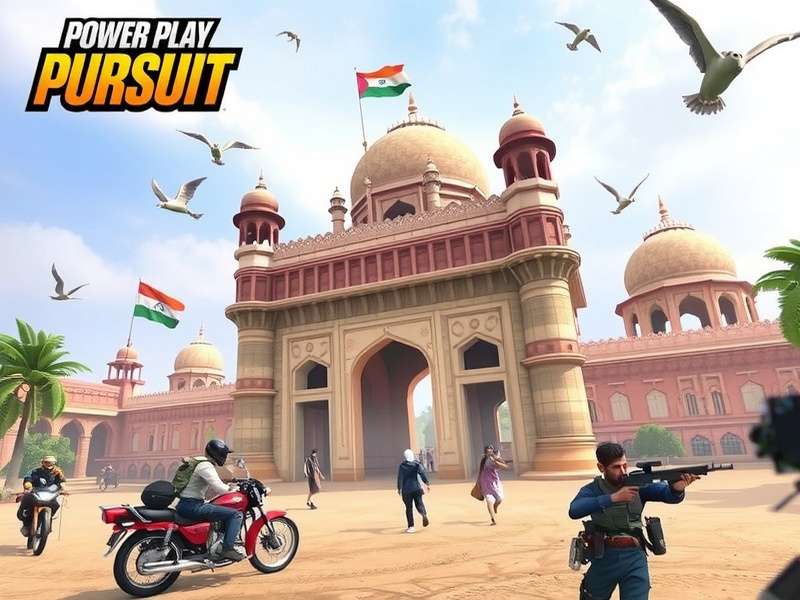
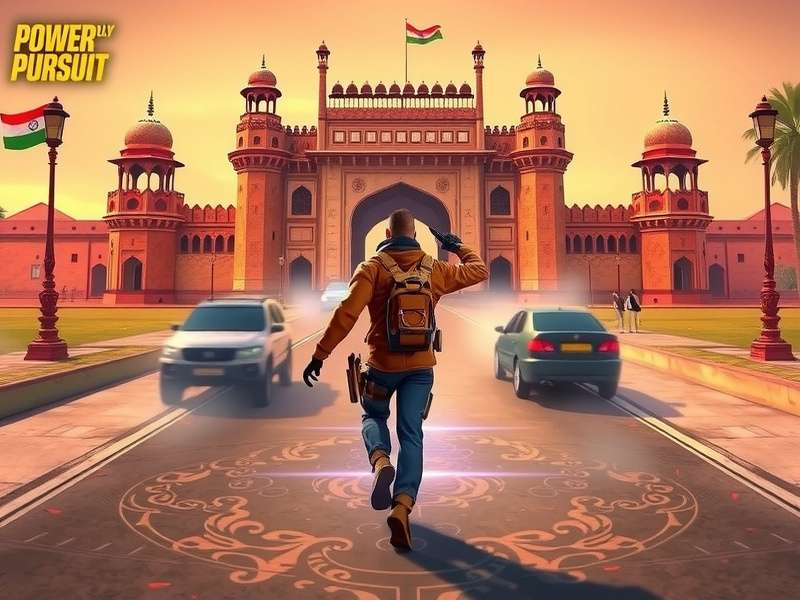
- 50+ arenas inspired by Indian landmarks (Red Fort, Charminar, Gateway of India, Mysore Palace, etc.)
- 100+ customizable characters with desi-themed skins and emotes
- Regional leaderboards (city, state, national) with real-world prizes (smartphones, gift cards, Daman Games merch)
- Optimized for low-end Android and iOS devices (runs on 2GB RAM and above)
- Exclusive festival events (Diwali Power Clash, Holi Color Battle, Pongal Harvest Rally, Eid Lights Showdown)
- 55M+ monthly active players (MAU) – India’s largest competitive gaming community
- No pay-to-win mechanics – all core content is free to access
- Regional customization (state-specific character skins, emotes, and in-game chat phrases)
- Integration with Indian social media (ShareChat, MX TakaTak, Josh) for easy sharing of gameplay clips
Game Overview & Key Features
Core Concept & Game Philosophy
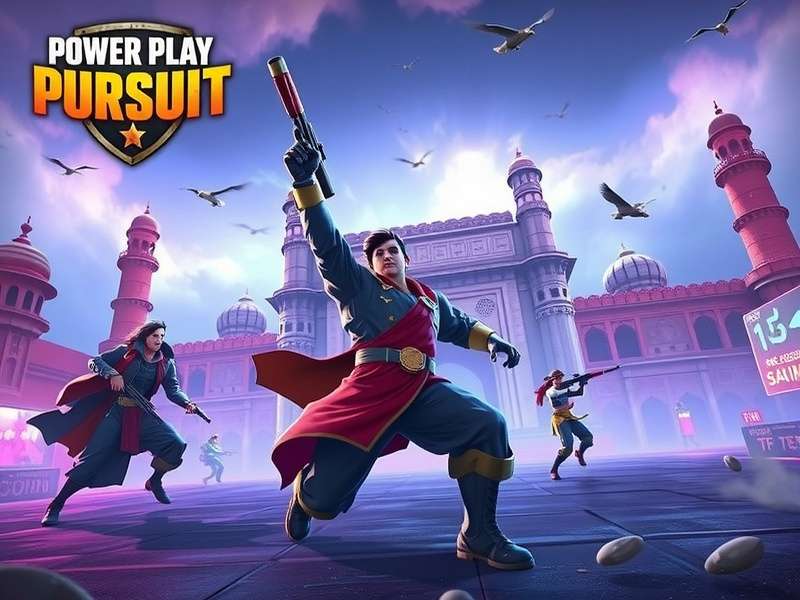
Power Play Pursuit is a team-based multiplayer competitive game where players form teams of 4-6 and compete against each other in fast-paced matches. The core concept is simple – outplay, outstrategize, and outscore the opposing team to win. But what sets it apart is its focus on Indian culture and community.
The game’s philosophy is “Compete With Pride, Unite With Passion.” It’s designed to bring Indian gamers together, regardless of their background, language, or location. Whether you’re from a small village in Bihar or a big city like Mumbai, Power Play Pursuit gives you a platform to showcase your skills and represent your region.
One of the key design choices is the balance between skill and accessibility. The game is easy to learn but hard to master, making it appealing to both casual and competitive players. New players can jump in and start having fun within minutes, while advanced players can spend hours refining their strategies and techniques.
Another core feature is the emphasis on teamwork. Most game modes require players to communicate and coordinate with their teammates to win. The game offers in-game voice chat in multiple Indian languages, making it easy for players to strategize with their team in their mother tongue.
Power Play Pursuit also prioritizes fair play. The game has a dedicated anti-cheat system that detects and bans hackers, ensuring a level playing field for all players. The matchmaking system pairs players of similar skill levels, so new players don’t have to face experienced pros right away.
Game World & Setting
The game is set in a futuristic version of India, where traditional landmarks meet cutting-edge technology. The game world is divided into 8 regions, each inspired by a different part of India: North India, South India, East India, West India, Central India, Northeast India, Coastal India, and Himalayan India.
Each region has its own unique arenas, characters, and cultural references. For example, the North India region features arenas inspired by the Red Fort, Qutub Minar, and Amritsar’s Golden Temple, while the South India region includes arenas based on the Charminar, Meenakshi Temple, and Hampi’s ruins.
The game world is vibrant and colorful, with attention to detail that reflects India’s diversity. Arenas are decorated with regional motifs – rangoli patterns in South India, phulkari embroidery in Punjab, alpana designs in Bengal, and bandhani patterns in Gujarat.
The characters in Power Play Pursuit are also inspired by Indian culture. From a Punjabi bhangra dancer to a Tamil cinema fan, from a Bengali Durga Puja reveller to a Gujarati Garba performer, each character has a unique backstory and personality that resonates with Indian players.
The game’s soundtrack is another highlight, blending traditional Indian music with modern electronic beats. The soundtrack includes regional variations – bhangra beats for Punjab, carnatic music for Tamil Nadu, Rabindra Sangeet for Bengal, and folk music for Rajasthan. This attention to audio detail makes the game feel even more immersive.
Key Game Features
- Multiplayer Mayhem: Compete in real-time matches with 8-12 players (4-6 per team) from across India. The game’s dedicated servers in 15 Indian cities ensure low latency (under 45ms) for most players.
- Desi Character Customization: Customize your character with 100+ skins, emotes, and accessories inspired by Indian culture. Choose from regional outfits, festival costumes, and pop culture references.
- Regional Chat & Voice Support: Communicate with your team in 22+ Indian languages using in-game chat or voice chat. The voice chat supports regional dialects, making communication more natural.
- Real-World Prizes: Win smartphones, gift cards, Daman Games merchandise, and more by topping regional and national leaderboards. Monthly tournaments offer big prizes for the best players.
- Cloud Save & Cross-Device Sync: Sync your progress across multiple devices using cloud save. This is perfect for players who switch between smartphones or share devices with family.
- Accessibility Features: The game includes features like adjustable controls, text size options, and colorblind mode, making it accessible to all players.
- Regular Updates: The game is updated every 2 weeks with new content, including arenas, characters, game modes, and events. The developers also release monthly balance updates based on player feedback.
- Clan System: Join or create a clan with up to 50 players. Compete in weekly clan wars for exclusive rewards and bragging rights as the top clan in India.
- In-Game Tutorials: Learn the ropes with detailed tutorials in multiple Indian languages. The tutorials are designed to be easy to follow, even for new gamers.
- Social Sharing: Share your best gameplay clips directly from the game to Indian social media platforms like ShareChat, MX TakaTak, Josh, and Instagram. Earn rewards for sharing your clips.
Download Stats & Player Demographics
Download Statistics Across India
Power Play Pursuit has achieved remarkable download numbers since its launch in mid-2024. As of October 2025, the game has over 150 million downloads across India, making it the fastest-growing competitive game in the country.
The game’s download growth has been consistent, with over 10 million downloads in the first month, 30 million in the first three months, and 100 million in the first six months. This rapid growth is a testament to the game’s appeal among Indian gamers.
Here’s a detailed breakdown of downloads by platform and region:
The game’s download numbers are driven by several factors, including word-of-mouth marketing, social media campaigns, and partnerships with Indian influencers. The developers have also run targeted campaigns in regional languages, which has helped boost downloads in rural areas.
Another key driver of downloads is the game’s presence on popular app stores. Power Play Pursuit has been featured on the Google Play Store and Apple App Store’s “Top Games” lists multiple times, which has significantly increased its visibility.
Player Demographics
Power Play Pursuit has a diverse player base, with gamers of all ages and backgrounds. Here’s a detailed breakdown of the game’s player demographics:
The game’s diverse demographic profile is a result of its accessibility and localization. By supporting multiple languages and optimizing for low-end devices, Power Play Pursuit has been able to reach gamers in both urban and rural areas.
Female participation in the game is growing rapidly, thanks to the game’s inclusive character designs and safe gaming environment. The developers have also run campaigns to encourage more female gamers to join, including female-only tournaments and character skins.
Player Engagement Metrics
Power Play Pursuit has impressive player engagement metrics, which is a sign of its long-term popularity. Here are the key engagement metrics as of October 2025:
- Monthly Active Users (MAU): 55 million+
- Daily Active Users (DAU): 18 million+
- Average Time Spent Per User Per Day: 90 minutes
- Average Number Of Matches Per User Per Day: 6-8
- Retention Rate (Day 1): 85%
- Retention Rate (Day 7): 65%
- Retention Rate (Day 30): 45%
- Clan Participation Rate: 35%
- Tournament Participation Rate: 25%
These metrics are well above the industry average for mobile competitive games. The high retention rates are a result of the game’s regular updates, fresh content, and engaging gameplay.
Players spend an average of 90 minutes per day on the game, which is significantly higher than the industry average of 45-60 minutes. This is because the game offers a variety of game modes and events, keeping players engaged for longer periods.
The high clan participation rate (35%) is also noteworthy. Clans have become an important part of the game’s community, with players forming strong bonds with their clan members. Many clans organize regular practice sessions and friendly matches, which helps keep players engaged.
Localization For Indian Gamers
Language Support: Breaking Barriers Across India
One of the biggest reasons for Power Play Pursuit’s success is its extensive language support. The game currently supports 22+ Indian languages, making it accessible to players from all parts of the country – including those who don’t speak English.
This commitment to localization has helped the game reach players in rural areas and small towns, where English proficiency is low. By offering the game in regional languages, Power Play Pursuit has been able to connect with a wider audience and build a more inclusive community.
Here’s a full list of supported languages, along with usage statistics and key localization features:
The game’s language localization is not just about translating text – it’s about adapting the game to local cultures and dialects. The developers worked with native speakers of each language to ensure that the game’s dialogue, menus, and in-game text feel natural and colloquial.
For example, the Hindi version uses terms like “bhai,” “yaar,” and “boss” to make interactions feel relatable, while the Tamil version includes references to Tamil cinema and local festivals like Pongal. The Punjabi version features bhangra music references and colloquial terms like “balle balle” and “sadi gall.”
The game also offers regional dialect support within major languages. For example, the Hindi version supports dialects from Delhi, UP, and Bihar, while the Telugu version supports dialects from Andhra Pradesh and Telangana. This level of detail makes the game feel even more personal to players.
Regional Content Variations
Power Play Pursuit goes beyond language localization to offer regional content variations that resonate with players from different parts of India. Each region has its own unique arenas, characters, and in-game events that reflect local culture and traditions.
Here’s a breakdown of regional content variations:
North India
Arenas in North India are inspired by iconic landmarks like the Red Fort (Delhi), Qutub Minar (Delhi), Golden Temple (Amritsar), and Hawa Mahal (Jaipur). The arenas are decorated with regional motifs like phulkari embroidery (Punjab), bandhej patterns (Rajasthan), and chikankari work (UP).
Characters from North India include a Punjabi bhangra dancer, a Rajasthani Rajput warrior, a UP-based farmer, and a Delhi street food vendor. Each character has unique emotes inspired by local traditions – like bhangra moves for the Punjabi character and Garba moves for the Rajasthani character.
Regional events in North India include the Lohri Fire Rally, Baisakhi Harvest Battle, and Diwali Dhamaka Showdown. These events offer exclusive rewards like regional skins and emotes.
South India
Arenas in South India are inspired by landmarks like the Charminar (Hyderabad), Meenakshi Temple (Madurai), Hampi Ruins (Karnataka), and Backwaters (Kerala). The arenas are decorated with regional motifs like kolam patterns (Tamil Nadu), kalamkari prints (Andhra Pradesh), and onam pookalam (Kerala).
Characters from South India include a Tamil cinema fan, a Telugu Tollywood actor, a Kannada folk artist, and a Malayalam Onam reveller. Emotes include classical dance moves like Bharatanatyam (Tamil Nadu) and Kuchipudi (Andhra Pradesh).
Regional events in South India include the Pongal Harvest Rally, Onam Flower Battle, and Sankranti Kite Showdown. These events feature local traditions and offer exclusive rewards.
East India
Arenas in East India are inspired by landmarks like the Victoria Memorial (Kolkata), Jagannath Temple (Puri), Kamakhya Temple (Guwahati), and Sundarbans (West Bengal). The arenas are decorated with regional motifs like alpana designs (Bengal), pattachitra paintings (Odisha), and Assamese silk patterns.
Characters from East India include a Bengali Durga Puja reveller, an Odia Jagannath devotee, an Assamese Bihu dancer, and a Bihari Chhath Puja participant. Emotes include Bihu dance moves (Assam) and Garba moves (Bengal).
Regional events in East India include the Durga Puja Battle, Chhath Puja Rally, and Bihu Festival Showdown.
West India
Arenas in West India are inspired by landmarks like the Gateway of India (Mumbai), Ajanta Caves (Maharashtra), Statue of Unity (Gujarat), and Goa Beaches. The arenas are decorated with regional motifs like Warli paintings (Maharashtra), bandhani patterns (Gujarat), and Goan tile work.
Characters from West India include a Mumbai Bollywood fan, a Gujarati Garba dancer, a Maharashtrian Ganesh Puja reveller, and a Goan beachgoer. Emotes include Garba moves (Gujarat) and Lavani dance moves (Maharashtra).
Regional events in West India include the Ganesh Chaturthi Rally, Navratri Garba Battle, and Goa Beach Showdown.
Localization Challenges & Solutions
Localizing a game for India is no easy task, given the country’s linguistic and cultural diversity. The developers of Power Play Pursuit faced several challenges during the localization process, but they came up with innovative solutions to overcome them:
Challenge 1: Linguistic Diversity
India has over 122 major languages and 1599 other languages, making it one of the most linguistically diverse countries in the world. Translating the game into all these languages was impossible, so the developers had to prioritize the most widely spoken languages.
Solution: The team conducted extensive research to identify the 22 most widely spoken languages in India, covering over 95% of the population. They worked with native speakers and professional translators to ensure accurate and colloquial translations. They also plan to add more languages in future updates based on player feedback.
Challenge 2: Cultural Sensitivity
India has a rich and diverse culture, with different traditions, customs, and beliefs in each region. It’s important to avoid cultural appropriation or offensive content that could alienate players.
Solution: The developers formed a cultural advisory board consisting of experts from different regions of India. This board reviewed all regional content to ensure it was culturally sensitive and accurate. They also conducted focus groups in each region to get feedback on the content before launching it.
Challenge 3: Dialect Variations
Even within a single language, there are multiple dialects. For example, Hindi spoken in Delhi is different from Hindi spoken in UP or Bihar. This can make it difficult to create content that feels relatable to all players of a language.
Solution: The game offers dialect options within major languages. For example, the Hindi version has options for Delhi, UP, and Bihar dialects. Players can choose their preferred dialect, making the game feel more personal to them.
Challenge 4: Device Compatibility
India’s gaming market is dominated by low-to-mid-range smartphones, which have limited storage and processing power. Adding multiple language packs and regional content can increase the game’s size and affect performance.
Solution: The developers used asset bundling to optimize the game’s size. Language packs and regional content are downloaded on demand, so players only download the content they need. This reduces the game’s initial download size and ensures it runs smoothly on low-end devices.
Gameplay Mechanics & Game Modes
Core Gameplay Mechanics
Power Play Pursuit is a team-based multiplayer competitive game where players compete in fast-paced matches. The core gameplay mechanics are designed to be easy to learn but hard to master, making it appealing to both casual and competitive players.
The game uses a third-person perspective, which gives players a clear view of the arena and their surroundings. The controls are optimized for mobile devices, with a virtual joystick on the left to move and buttons on the right to attack, jump, and use special abilities.
Here are the key gameplay mechanics:
- Character Classes: Players can choose from 6 character classes, each with unique abilities and playstyles. The classes are: Attacker (high damage, low defense), Defender (high defense, low damage), Support (heals and buffs teammates), Scout (fast, stealthy), Sniper (long-range attacks), and Utility (crowd control).
- Special Abilities: Each character has 3 special abilities – a basic ability, a secondary ability, and an ultimate ability. Abilities are inspired by Indian culture – for example, the Support class can heal teammates with a “Prasad” ability, while the Attacker class can use a “Lathi Charge” ability to deal damage.
- Power-Ups: Arenas are filled with power-ups that players can collect to gain temporary advantages. Power-ups include “Desi Boost” (increased speed), “Lucky Charm” (increased damage), “Shield of Faith” (temporary invincibility), and “Pani Puri” (heals health).
- Team Coordination: Most game modes require players to coordinate with their teammates to win. The game offers in-game voice chat and text chat in multiple Indian languages, making it easy for players to communicate and strategize.
- Score System: Players earn points for eliminating enemies, capturing objectives, and assisting teammates. The team with the most points at the end of the match wins. Players also earn “Power Points” for winning matches, which can be used to unlock new characters and customization items.
The game’s combat is fast-paced and exciting, with a focus on skill and strategy. Players need to master their character’s abilities, work with their team, and adapt to the arena’s layout to win.
One of the unique aspects of the gameplay is the “Desi Twist” – small elements that add a touch of Indian culture to the combat. For example, when a player eliminates an enemy, they can do a victory emote inspired by Indian traditions, like a bhangra dance or a Garba spin.
Game Modes: For Every Type Of Player
Power Play Pursuit offers 12 unique game modes, each designed to cater to different play styles and preferences. Whether you prefer casual matches, competitive tournaments, or cooperative gameplay, there’s a mode for you.
1. Team Deathmatch
Team Deathmatch is the most popular game mode, where two teams of 6 players compete to get the most eliminations. The match lasts 10 minutes, and the team with the most eliminations at the end wins.
This mode is fast-paced and action-packed, perfect for players who love intense combat. It’s also a great way to practice your skills and learn the ins and outs of different character classes.
Team Deathmatch features regional arenas, so players can compete in locations inspired by their home state. The mode also has a “Regional Boost” feature – players from the region where the arena is located get a temporary speed boost, adding a fun regional pride element.
2. Capture The Flag
Capture The Flag is a strategic game mode where two teams compete to capture the enemy’s flag and bring it back to their base. The match lasts 15 minutes, and the team with the most flag captures wins.
This mode requires teamwork and coordination. Players need to defend their own flag while attacking the enemy’s flag. The Support and Defender classes are particularly useful in this mode, as they can heal teammates and protect the flag.
Capture The Flag features unique arenas with multiple paths and hiding spots, making it easy to sneak past the enemy team. The mode also has a “Flag Carrier Boost” – the player carrying the enemy’s flag gets a speed boost, but they can’t use their ultimate ability.
3. Regional Rally
Regional Rally is a unique game mode that celebrates India’s regional diversity. Players are divided into teams based on their region (North, South, East, West), and they compete in arenas inspired by their region.
The goal of the mode is to collect regional tokens scattered around the arena. Each token is worth points, and the team with the most points at the end of the match wins. The mode also has regional events – for example, North Indian teams can activate a “Bhangra Boost” that increases their damage for a short time.
Regional Rally is a great way to represent your region and compete against players from other parts of India. It’s also a fun mode for casual players, as it’s less competitive than other modes.
4. Festival Showdown
Festival Showdown is a limited-time game mode tied to major Indian festivals. The mode features special arenas decorated with festival motifs, unique power-ups, and exclusive rewards.
For example, the Diwali Festival Showdown features an arena decorated with diyas and rangoli, power-ups like “Diwali Crackers” (deals area damage), and rewards like Diwali-themed skins and emotes. The Holi Festival Showdown features an arena covered in colored powder, power-ups like “Color Blast” (blinds enemies), and rewards like Holi-themed skins.
Festival Showdown is extremely popular among players, as it allows them to celebrate their favorite festivals while playing their favorite game. The mode typically lasts for 7-10 days and is updated with new content for each festival.
5. Survival Mode
Survival Mode is a cooperative game mode where 8 players team up to fight waves of AI enemies. The mode has 10 waves, each with increasing difficulty. The team wins if they survive all 10 waves.
This mode requires teamwork and strategy. Players need to choose complementary character classes and work together to defeat the enemies. The mode also has a “Survival Boost” – after surviving each wave, players get a temporary buff like increased damage or health.
Survival Mode features unique AI enemies inspired by Indian mythology, like demons from the Ramayana and Mahabharata. The mode also offers exclusive rewards like mythological-themed skins and emotes.
6. 1v1 Duel
1v1 Duel is a competitive game mode where two players face off in a one-on-one match. The match lasts 5 minutes, and the player with the most eliminations wins. If the match is tied after 5 minutes, it goes into overtime, and the first player to get an elimination wins.
This mode is perfect for players who want to test their skills against other players. It’s also a great way to practice your character’s abilities and learn new strategies. 1v1 Duel features small, intimate arenas that encourage close-quarters combat.
The mode has a leaderboard, and the top players receive monthly rewards like exclusive skins and emotes. It’s also a popular mode for esports tournaments, as it showcases individual skill.
7. Clan Wars
Clan Wars is a competitive mode where clans compete against each other to earn points and climb the clan leaderboard. Clans can participate in weekly wars, where they complete team-based challenges to earn points.
Examples of Clan War challenges include:
- Win 50 Team Deathmatch matches as a clan
- Collect 1 million points in Regional Rally
- Survive all 10 waves in Survival Mode 20 times
- Win 30 Capture The Flag matches
The top clans on the leaderboard receive weekly rewards, including clan-exclusive skins, emotes, and in-game coins.